8 Tips For Boosting Your Electric Wheel Scooter Game
How to Take Care of an Electric Wheel Scooter One of the most popular methods of getting around is by using electric scooters. These vehicles let you skip traffic lights and weave through the traffic without difficulty. The components used to create an electric scooter include lithium-ion batteries and aluminum alloy. These materials impact the environment when they are used. Power Lithium-ion batteries power electric scooter s. The scooters provide an energy source that is reliable with a range of up to 100 km (31miles) per full charge, depending on the model. Included in this are the speed you select, your weight, and the terrain. The capacity of the battery also plays a key role in determining the range. The voltage (V) and the amp-hours(Ah) and the watt-hours(Wh) are used to determine this. A higher number means that the battery is able to store more energy. It is important to note that the quality of batteries plays a crucial role in how long it can last before it begins to degrade. The most reliable models can last of 500-600 charging cycles before losing their performance. Scooters are less heavy and easier for people to move around than traditional wheelchairs. They can also be more maneuverable on flat surfaces as compared to manual wheelchairs. This makes them a better option for individuals who have less stamina and strength. People with disabling illnesses that are systemic like ehlers-danlos disorder, multiple sclerosis, heart disease and many other health issues might have difficulty to move forward in a manual chair. A scooter is also a good choice for people who need assistance getting in and out of a vehicle. They are simple to drive because of their slim profile and light design. The boot scooter is perfect for use on paths with paved surfaces and flat pavements. It is typically small, lightweight and foldable so it is easy to carry. It is suitable to shop and for short distance commuting but is not ideal for long distances over rough terrain. 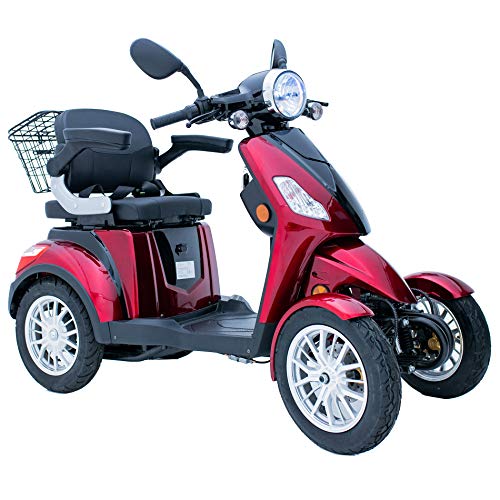 Design Electric scooters have been designed to be slim and compact and fold down and up in a matter of seconds. They also have features like brakes as well as a display that allow you to control and monitor your ride. The seat and handles are adjustable to fit your height, which guarantees maximum comfort and a safe riding experience. Batteries, typically Li-ion are used to power the scooter. These batteries are located along the base of the scooter, keeping their center of gravity at a low level and increasing stability. There are two kinds of electric scooters: bike-style and kick-powered. Kick-powered scooters have narrow platforms on which the user stands and holds the handlebar, while bike-style scooters have a wide frame with an ergonomic seat for riding. The following aspects are crucial to take into consideration when selecting a scooter: rider weight the motor's capacity, battery capacity, and braking system. A higher motor power will allow for heavier riders without a dip in performance, while a larger battery will provide greater range. In addition, a larger motor typically allows for greater speeds and more steep inclines. The two types of brake systems are mechanical and electronic. The latter is more efficient and requires less maintenance. Mechanical braking systems utilize physical mechanisms like disc drum, foot, and disc brakes to limit the speed of the scooter. Electronic systems use sensors and controllers to regulate the flow current to the motor in accordance with the accelerator input. Both kinds of brake systems are essential to ensure safety and control. However, an electric braking system is more robust than a mechanical one particularly in harsh weather conditions. Safety Safety is always a top concern when riding an electric scooter. This is especially true for first-time scooter riders who may not have much experience with the device. They must practice in a secure space before taking their new scooter out on the roads. A few things to think about are the road surface and conditions, the ability to read the path ahead of them and wearing the appropriate safety equipment. One of the most important safety features of electric scooters is its braking system. The brakes are efficient and help control speed, minimize accidents, and reduce injuries. The quality and condition of the brakes should be inspected regularly. The structure of the scooter is an important safety feature. A sturdy frame will give the rider more stability and reduce the chance of an accident. The wheels of the scooter should also be of good quality to stop the rider from falling and falling off. The controls for speed on the scooter also play an important role in ensuring safety. They can be adjusted based on the requirements of the user, which is helpful in commutes. If the scooter is moving too fast, it could cause damage to the scooter and even injure the person riding it. In addition the scooter may become uncontrollable and lead to accidents. Another advantage of an electric scooter is that it's more quiet than a traditional vehicle. This means that you can enjoy your ride without disturbing anyone else. This is especially crucial during COVID-19 where social distancing rules are being adhered to. It is difficult to adhere to these guidelines by using public transportation, however an electric scooter can be a convenient and affordable alternative. Maintenance When you take care of your electric scooter it will last longer and be more efficient than one that is left untreated. Regular cleaning, lubrication, and inspections will keep your scooter running smoothly. A well-maintained, comfortable scooter will make you happy to use it and will retain its value should you decide to sell it. Cleaning the scooter thoroughly is the first step to maintenance. This will help remove dirt, dust and grime from the sensitive electrical components. When cleaning, remember that water and electricity do not mix. Avoid using too much water, and always use an item that is safe for electronic devices. Afterward, make sure to dry the scooter before reassembly. It is important to check the brakes on a regular basis of your electric scooter to check for wear and tear. It is possible to replace the brake pads or adjust the caliper. You can find all the details in the owner's manual for the specific braking system you have. Make sure to read this before you attempt any repairs. It is recommended to check the tire pressure regularly. Inflating tires too low can affect the battery efficiency and handling of the scooter. Be certain to check the kickstand for proper functioning. If you don't feel comfortable doing these repairs yourself It is a great idea to find an electric scooter repair shop close to you. These shops will have the tools and expertise to handle all kinds of issues, and they will often be able to make the repairs in a timely fashion. Disposal Electric scooters are becoming popular as a mode of transportation. Companies must ensure their practices for disposal at the end of life are environmentally sustainable and are in line with sustainability. This involves ensuring that batteries and other components are recycled or reused by implementing sustainable e-waste practices. Since private and rideshare scooters generally change hands on an annual basis it is an important aspect to take into consideration for long-term success in the market. Separation and recovery from complex assemblies is among the most difficult challenges in recycling electric scooters. Batteries, for instance comprise a variety of elements that must be disassembled and separated before they can be recycled. This process is costly and time-consuming, but it is essential to reduce waste and promote the circular economy. A second issue is the risk of leaks or fires occurring during recycling. This is especially true for lithium-ion batteries, which require special facilities equipped with advanced safety and containment procedures. This issue can be solved by implementing strict guidelines for collecting and storing used batteries, and transporting them to recycling facilities. The good news is that increasing awareness of green living and advancements in recycling technology are making it easier to recycle scooters and components. Manufacturers are also actively participating in this endeavor by creating scooters that are recyclable and using safer materials. You can also repurpose an old e-scooter as an alternative to recycling it by turning it into a DIY project or giving to someone in need. If you're planning to purchase a new electric scooter You can check out trade-in programs offered by certain retailers. These programs let you to trade in your previous scooters for a discount when purchasing a brand new one, reducing waste and production.